Special Offer: Free Internship & Real-Time Project For All Software Courses

Course Content

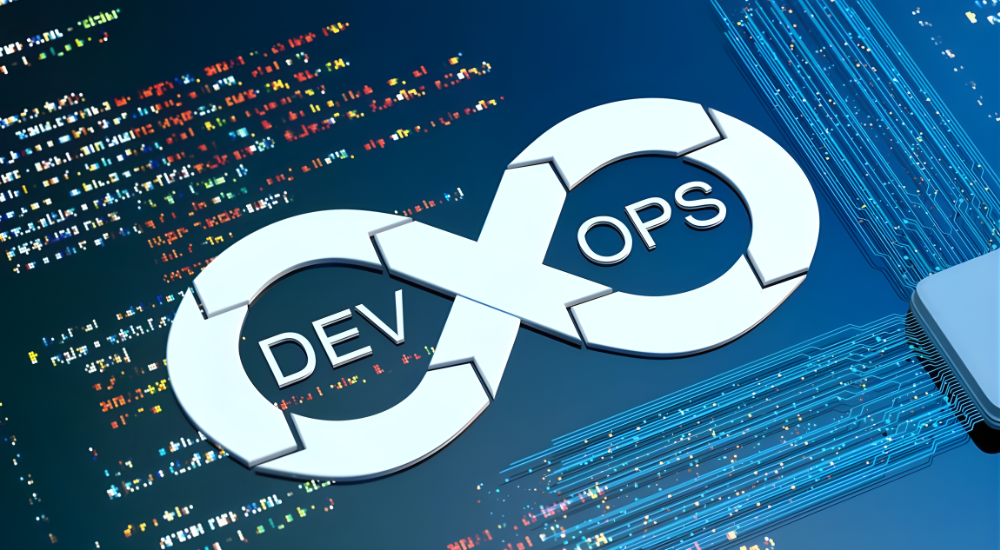
Introduction to DevOps
  • 1.What is DevOps
  • 2.Why DevOps
  • 3.DevOps Principles
  • 4.DevOps Ecosystem
  • 5.Opportunities for DevOps Engineer
  • 6.DevOps Skills in demand
  • 7.Important tools used in DevOps
  • 1.Basic concepts of Operating System
  • 2.Linux Versions
  • 3.Important Linux Operating Systems concepts like Kernel, Shell & File System structure
  • 4.Important Linux Commands for Administration
  • 5.Commands for User Management
  • 6.Commands for File Permissions
  • 7.Commands for Partitioning
  • 8.Commands for File System
  • 9.Package Management
  • 10.Networking essentials
  • 11.SSH configuration
  • 1. Introduction to Version Control
  • 2.Introduction to GIT
  • 3. Installation and Server setup
  • 4.Important Git Commands
  • 5.Working with Repositories
  • 6.Creating a repository (git init)
  • 7.Checking status (git status)
  • 8.Adding files to a repository (git add)
  • 9.Committing files (git commit)
  • 10.Removing staged files (git reset)
  • 11.Removing committed files (git rm)
  • 12.Checking logs (git log)
  • 13.GIT Remote Repositories
  • 14.Branching in GIT
  • 15.Merging in GIT
  • 16.Workflows in GIT
  • 17.Different ways of using Git
  • 18.Centralised
  • 19.Feature Branch
  • 20.Gitflow Workflow
  • 21.Forking Workflow
  • 22.Working with GitHub
  • 1.Introduction to Continuous Integration
  • 2.Continuous Integration with Jenkins Overview
  • 3. Jenkins Architecture
  • 4.Installation of Jenkins
  • 5.Jenkins management
  • 6.Support for the Git version control systems
  • 7.Different types of Jenkins Jobs
  • 8.Setting up a Jenkins Job
  • 9.Scheduling build Jobs
  • 10.Securing Jenkins
  • 11.Jenkins Plugins
  • 12.Introduction to Maven
  • 13.Setting up Jenkins Master and Slave Servers
  • 14.Distributed builds with Jenkins
  • 15.Backup and Restore of Jenkins
  • 1.Introduction to Ansible
  • 2.Introduction to YAML
  • 3. Ansible Documentation
  • 4.Setup and Configuration
  • 5.Ansible Modules
  • 6.Setup Module
  • 7.File Module
  • 8.Pause Module
  • 9.Yum Module
  • 10.Service Module
  • 11.Copy Module
  • 12.Package Module etc
  • 13.Ansible Command Line Usage
  • 14.Working with Playbooks
  • 15.Introduction to Playbooks in Ansible
  • 16.Creating Reusable Playbooks
  • 17.Using Variables
  • 18.Templating
  • 19.Loops
  • 20.Blocks
  • 21.Advanced Playbooks Features
  • 22.Best Practices
  • 23.Working with Ansible Plugins
  • 24.Ansible Roles
  • 25.Role Directory Structure
  • 26.Using Roles
  • 27.Role Duplication and Execution
  • 28.Role Default Variables
  • 29.Role Dependencies
  • 30.Embedding Modules and Plugins In Roles
  • 31.Role Search Path
  • 32.Ansible Galaxy
  • 1.Docker Concepts
  • 2.Installing Docker
  • 3. Docker Image Layers
  • 4.Build Docker Images by using Docker Commit Command
  • 5.Build Docker Images by Writing Dockerfile
  • 6.Push Docker Images to Docker Hub
  • 7.Docker Networking, Links and Volumes
  • 8.Create Dockerized Web Applications
  • 1.Puppet ecosystem, components, and terminologies
  • 2.Managing puppet infrastructure, modules and environments
  • 3. Installation and setup
  • 4.Configuring puppet client/server architecture
  • 5.Understanding how a puppet run works
  • 6.Integrating git with puppet
  • 1.Overview of Continuous Monitoring
  • 2.Fundamentals of Nagios
  • 3. Installing Nagios
  • 4.Nagios Plugins(NRPE) and Objects
  • 5.Nagios Commands
  • 6.Notification in Nagios
  • 1.Introduction to Kubernetes
  • 2.Creating a Service
  • 3. Installing Kubernetes
  • 4.Working with Dashboard in Kubernetes
  • 5.Deploying an App using Dashboard
  • 6.Using Rolling Updates in Kubernetes
  • 7.Containers and Container Orchestration
  • 1.Introduction to Cloud Computing
  • 2.Why DevOps on Cloud?
  • 3. Introduction to AWS
  • 4.Various AWS services
  • 5.DevOps using AWS

Why Choose MAK Technologies?

Industry-Oriented Training

Real-Time Project Learning

Flexible Online Classes

Expert Mentor Support

Why You Learn DevOps Course?

  • DevOps is the backbone of modern IT, driving business continuity and rapid innovation across all global sectors.
  • With a projected value of $25.5 Billion by 2028, DevOps professionals face a massive, long-term surge in job demand.
  • Commands some of the highest pay in tech, with mid-level packages in India averaging ₹16 Lakhs and lead roles reaching ₹48 Lakhs+.
  • Become a specialized expert in high-value 2026 tools like Kubernetes, Terraform, and Docker for managing cloud-native infrastructure.
  • Organizations prioritize 24/7 reliability and Cloud FinOps (cost optimization), making DevOps engineers essential even in volatile markets.
  • Offers the fastest roadmap to prestigious roles like Site Reliability Engineer (SRE) and Cloud Architect.
  • Leverage AIOps and intelligent automation to deploy software up to 10x faster, directly increasing your organizational impact.
  • Master "Shift-Left" security practices to protect global delivery pipelines, a skill set that currently commands a 30-40% salary premium.

$150.99

  • Class Online
  • Language English, Tamil, Hindi
  • Certificate Yes
  • Level Beginner
  • Topic DevOps
  • Other includes:
    • ✓ Class recordings
    • ✓ Online certification
    • ✓ Online classes conducted Google Meet and Zoom
    • ✓ Online interviews
    • ✓ Foreign countries study guidance available

Career Benefits of Learning DevOps with Us

Frequently Asked Questions (FAQ)

Yes. The global DevOps market is projected to reach $15 billion by late 2026, with a 20% growth rate. As organizations shift toward Platform Engineering and AIOps, the demand for professionals who can manage complex cloud-native architectures remains higher than ever.

Absolutely. While the learning curve is steep, anyone with a foundation in Linux and basic networking can start. Our course is designed to take you from these fundamentals to advanced CI/CD and Kubernetes orchestration, making it the perfect gateway for non-technical graduates.

DevOps is a cultural philosophy and set of practices to bridge the gap between development and operations. SRE is a specific implementation of DevOps—it’s what happens when you ask a software engineer to design an operations function. SRE focuses heavily on reliability, latency, and error budgets.

In 2026, basic programming is essential for automation. While you don't need to be a full-stack developer, you must be comfortable with Python, Go, or Shell Scripting to manage Infrastructure as Code (IaC) and automate repetitive delivery tasks.

The top-tier certifications that employers currently prioritize include AWS Certified DevOps Engineer – Professional, Certified Kubernetes Administrator (CKA), and the Microsoft Azure DevOps Engineer Expert (AZ-400).

Start Your IT Career with MAK Technologies

Call Call
Chat for Course Details